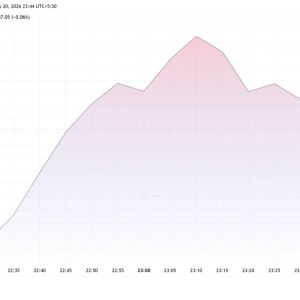
BitcoinWorld Japanese Yen Intervention Risks Intensify Near 160 Against US Dollar: OCBC Singapore — The risk of Japanese authorities intervening in the foreign exchange market is rising as the yen weakens toward the psychologically significant 160 level against the US dollar, according to a note from OCBC Bank. The analysis, published Monday, highlights growing market speculation that the Bank of Japan (BOJ) and the Ministry of Finance may step in to stem further yen depreciation. Why 160 Matters The 160 level on the USD/JPY pair has become a critical threshold for currency traders and policymakers alike. In late April and early May 2024, Japan intervened in the currency market when the yen weakened past 160, spending a record ¥9.8 trillion (approximately $62 billion) to support its currency. OCBC’s strategists note that the memory of those interventions remains fresh, and the market is now pricing in a higher probability of similar action as the yen approaches that zone again. The yen has been under sustained pressure due to the wide interest rate differential between Japan and the United States. While the Federal Reserve has held rates at elevated levels to combat inflation, the BOJ has only gradually moved away from its ultra-loose monetary policy, keeping Japanese yields relatively low. This gap incentivizes carry trades, where investors borrow yen at low rates to invest in higher-yielding dollar assets, further weakening the Japanese currency. OCBC’s Assessment of Intervention Triggers OCBC’s analysis suggests that the speed of yen depreciation, not just the level, will be a key factor in any intervention decision. A slow grind lower might be tolerated, but a sharp, disorderly move—especially one that breaks through 160—could prompt a response. The bank also points to verbal warnings from Japanese officials, including Finance Minister Shunichi Suzuki and top currency diplomat Masato Kanda, who have repeatedly stated they are watching currency moves closely and will take appropriate action against excessive volatility. “The risk of intervention is clearly elevated,” the OCBC note states. “Markets should be wary of a repeat of the May 2024 playbook, where authorities stepped in after a rapid move through 160.” What This Means for Traders and Investors For forex traders, the proximity to 160 introduces significant event risk. Sudden, sharp reversals in the yen could occur with little warning if intervention is announced. This makes positioning around the 160 level highly speculative. Investors with exposure to Japanese assets or yen-denominated holdings should consider hedging strategies to mitigate potential volatility. The broader implications extend beyond currency markets. A weaker yen increases import costs for Japan, a resource-poor nation that relies heavily on energy and food imports. This fuels domestic inflation, squeezing household budgets and complicating the BOJ’s monetary policy normalization timeline. Conversely, a stronger yen could impact Japan’s export-heavy corporate sector, which has benefited from the weaker currency. Conclusion The yen’s approach toward 160 against the US dollar represents a pivotal moment for Japanese policymakers. While OCBC’s analysis underscores the heightened risk of intervention, the actual outcome will depend on the pace of currency moves and official statements in the coming days. Traders and market participants should remain vigilant, as the historical precedent suggests that Japanese authorities are willing to act decisively to defend their currency when they deem moves excessive. FAQs Q1: What is the significance of the 160 level for USD/JPY? The 160 level is a key psychological and technical threshold. Japan intervened in the currency market when the yen weakened past this level in April/May 2024, making it a closely watched trigger point for potential future intervention. Q2: How does currency intervention work? The Bank of Japan, acting on behalf of the Ministry of Finance, sells foreign currency reserves (typically US dollars) and buys yen in the open market. This increases demand for the yen and can help strengthen its value against other currencies. Q3: Why is the yen weakening despite the BOJ raising rates? The BOJ’s rate increases have been modest and gradual, while the US Federal Reserve has maintained significantly higher interest rates. This persistent interest rate differential continues to encourage selling of yen for higher-yielding currencies, particularly the US dollar. This post Japanese Yen Intervention Risks Intensify Near 160 Against US Dollar: OCBC first appeared on BitcoinWorld .