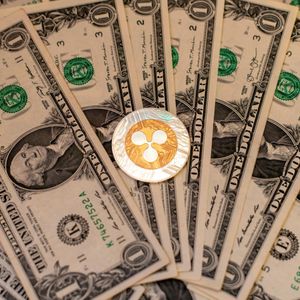
Goldman Sachs exited its $154 million XRP ETF position. As the largest institutional holder of spot XRP ETFs at the time, the move drew attention across the crypto space. The bank also exited its SOL position and trimmed holdings in BTC and ETH. The answers, however, point to something far more routine than the headlines suggest. Goldman Sachs Reason for Holding XRP Goldman Sachs’ crypto holdings were never a bet on XRP or SOL. The positions existed to support client-facing operations. ETF creation and redemption, market-making, and prime brokerage activity all require a trading desk to hold assets on behalf of clients. Goldman Sachs held those positions because its clients needed them to exist, not because the bank was bullish on XRP. EasyA co-founder Dom Kwok addressed the reaction directly. He clarified that Goldman Sachs’ holdings were not investments in the traditional sense. They reflected the mechanics of running a trading desk that services institutional clients in crypto markets. fyi this is not goldman exiting its investments in $XRP and $SOL as the headline suggests. rather, it refers to goldman's trading desk activity. their initial holdings of xrp and sol were meant to facilitate client needs e.g. etf creation / redemptions, market-making, prime… https://t.co/pNwKnzEvuU — Dom Kwok | EasyA (@dom_kwok) May 18, 2026 Routine Operations Misread as a Signal When a trading desk rebalances, it responds to client demand. If redemptions outpace creations on an XRP ETF, the desk reduces its exposure accordingly, and the position shrinks. On paper, it looks like an exit. In practice, it is an operational adjustment. An investment exit signals a loss of conviction. A trading desk rebalance signals a shift in client activity. The two carry very different weights, and conflating them distorts the picture for retail investors trying to read institutional behavior. Kwok, who has publicly stated he believes XRP can reach $1,000 by 2030 , pushed back on the narrative forming around the filing. His position is that Goldman Sachs’ move shows nothing about XRP’s long-term outlook. What to Expect from XRP Goldman Sachs Sachs reducing its ETF exposure does not alter the fundamental case for XRP. The bank was not a holder because it believed in the asset; it held the position because its clients required it. When that requirement changed, the position changed. Retail investors tracking institutional 13F filings need to apply this filter consistently. Goldman Sachs’s trading desk activity reflects client flow, not proprietary conviction. Reading it as the latter leads to conclusions that the data does not support. The XRP market remains active. Spot ETFs continue to dominate the market . Institutional infrastructure around the asset is still developing, and one desk’s rebalancing does not change any of that. Disclaimer : This content is meant to inform and should not be considered financial advice. The views expressed in this article may include the author’s personal opinions and do not represent Times Tabloid’s opinion. Readers are advised to conduct thorough research before making any investment decisions. Any action taken by the reader is strictly at their own risk. Times Tabloid is not responsible for any financial losses. Follow us on X , Facebook , Telegram , and Google News The post Expert States Real Reason Why Goldman Sachs Dumped Its XRP ETFs appeared first on Times Tabloid .