Bitzo
2026-04-27 17:45:42
2026-04-27 17:45:42
PR Tool That Helps You Pick Media Outlets: How Outset Media Index Works
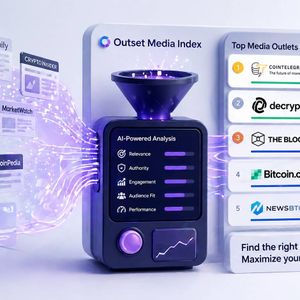
A PR team opens the Outset Media Index dashboard, types in a campaign brief, and within a few clicks has a ranked view of the most relevant outlets to pitch. No tab-switching across separate analytics tools, no manual reconciliation, no Google Sheets to reverse-engineer. That is the user experience the platform was built around. The work that used to take a half-day of research now happens inside one structured workflow. This article walks through how a PR tool to pick media outlets actually operates when the underlying scoring is done properly, and what changes for PR teams once the right pick media outlets PR tool is in place. What Outset Media Index Is, in One View Outset Media Index is a media intelligence platform that scores more than 340 crypto and Web3 publications across more than 37 normalized metrics. The output is a multidimensional profile of each outlet, designed to support decisions at the planning stage of a PR campaign. As a crypto media outlet tool, the platform sits at the decision layer of the PR workflow, before pitches go out. Its purpose is not to distribute releases or monitor mentions. Its purpose is to help teams answer one question with confidence: which outlets are actually right for this campaign. In practice, how Outset Media Index works comes down to three connected stages, each handling a different part of the outlet selection problem. 1. Filtering the Outlet Database The first stage narrows the field. Out of the full database of 340+ crypto and Web3 publications, only a fraction will be relevant to any given campaign, and a structured media outlet research tool has to handle that initial cut quickly. Filters cover the variables that matter most for early-stage triage: Target region or market Topic focus and editorial beat Outlet tier and audience size Syndication behaviour LLM citation activity A team running a DeFi launch in Southeast Asia uses the regional and topic filters to drop the database from hundreds of outlets down to a working set in seconds. A team building a thought-leadership push for an enterprise blockchain product filters by tier and editorial focus instead. The starting set varies by campaign; the filtering logic stays consistent. 2. How OMI Scores Each Outlet Once the working set is established, the second stage applies OMI's scoring framework to every outlet that survived the filter. This is the analytical core of the platform. Each outlet gets evaluated across more than 37 normalized metrics, grouped into seven main signal categories: Audience quality and reach Engagement quality Syndication depth Editorial flexibility LLM visibility Market and regional fit Industry influence Normalization is what makes the scores comparable. Two outlets with very different sizes, audiences, and content models can be evaluated on the same framework without the distortion that comes from averaging incompatible data sources. A small regional outlet with strong engagement and high LLM citation rates can be compared directly against a large international publication, and the score reflects what each one actually delivers. The output of stage two is a multidimensional profile of every outlet on the working list. Not a single number, but a structured view of how each publication performs across the dimensions a PR team actually cares about. 3. Comparing Outlets and Building the Shortlist The third stage is where decisions get made. With every outlet scored on a consistent framework, side-by-side comparison becomes straightforward. Teams can rank outlets by a single dimension when one signal matters most for a campaign, or weight multiple dimensions together when the goal is more nuanced. Drill-down profiles show why each outlet scored the way it did, so the reasoning behind any inclusion is visible and defensible. The shortlist that comes out of stage three is the working artifact of the platform. It is a ranked, evidence-backed selection of publications worth pitching, with the justification for each one already documented. When a client or leadership review asks why these outlets and not others, the answer comes from the data, not from gut feel. What This Replaces in the Current Workflow Without a structured media outlet selection tool, this same work gets done manually. Spreadsheets pull traffic from one source, audience data from another, syndication estimates from a third, and editorial notes from internal memory. The reconciliation step alone consumes hours per campaign, and the result is rarely consistent enough to defend under scrutiny. OMI replaces that manual workflow with one structured platform doing the same work in less time. The decisions teams used to make under data pressure now get made with the data already organized. Where OMI Sits Across the Campaign Cycle OMI is a planning-stage tool. Its job ends when the shortlist is set, and the pitches go out. After the campaign launches, Outset Data Pulse becomes the relevant layer, providing market context for interpreting results and quarterly trend reports that inform the next round of planning. The two work as a connected system: Outset Media Index handles the where-to-pitch question, and Outset Data Pulse handles the what-the-market-is-doing question. For PR teams running consistent crypto and Web3 campaigns, that combination covers the planning and interpretation work that traditional PR media planning tool options have struggled to deliver in one place. FAQ What is Outset Media Index? Outset Media Index is a media intelligence platform that scores more than 340 crypto and Web3 publications across more than 37 normalized metrics. It is built for the planning stage of PR campaigns, helping teams pick the right outlets through structured analysis instead of manual research and intuition. How does Outset Media Index work? OMI works in three connected stages. Teams filter the database to a working set by region, topic, and tier. The platform scores each outlet across normalized metrics covering audience, engagement, syndication, LLM visibility, editorial fit, and regional relevance. Teams then compare results to build a defensible shortlist. What metrics does Outset Media Index use? OMI scores outlets across more than 37 normalized metrics covering seven main signal categories: audience quality and reach, engagement quality, syndication depth, editorial flexibility, LLM visibility, market and regional fit, and industry influence. The metrics combine proprietary analysis with structured external inputs. How is Outset Media Index different from other PR tools? OMI focuses on the decision stage of PR work, not distribution or monitoring. Other platforms help teams send pitches and track coverage. OMI is built to help teams choose media outlets PR campaigns actually depend on, through normalized scoring across a curated database of crypto and Web3 publications. Who should use Outset Media Index? OMI is built for PR teams, agencies, and in-house communications functions running campaigns in the crypto and Web3 sector. It supports both individual campaign planning and ongoing competitor analysis, and is most useful for teams that need to defend outlet choices with data instead of brand familiarity. Disclaimer: This article is provided for informational purposes only. It is not offered or intended to be used as legal, tax, investment, financial, or other advice.
Meist gelesene Nachrichten
