最阅读新闻

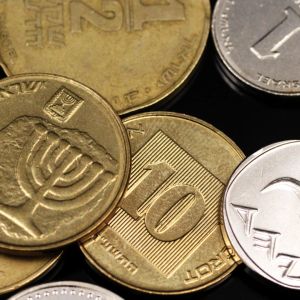
After a two-year regulatory pilot, the Israel Capital Market Authority has made a cautious move toward regulating digital assets by approving its first shekel-pegged stablecoin framework, BILS. The action highlights the growing demand for regulated, fiat-backed digital currencies amid the global stablecoin market, which has surpassed $320 billion. The Israel Capital Market Authority authorized the introduction of BILS, to be launched by licensed provider Bits of Gold under regulatory supervision in Israel. The token will enable cross-border shekel transfers, smart contract execution, foreign exchange with major stablecoins like USDC, and liquidity provision. The stablecoin market is currently valued at over $320 billion and processes approximately $46 trillion in transactions annually. Stablecoins have also evolved from a crypto-native product to a payment and settlement infrastructure . Regulatory sandbox enables controlled stablecoin testing phase According to the Israel Capital Market Authority, the government’s broader digital asset strategy aligns with the draft stablecoin law, which will be made available for public comment. It stated that the approval came after a two-year procedure in which Bits of Gold tested stablecoin issuance in a controlled setting while operating under a regulatory sandbox. Yuval Rouach, founder and CEO of Bits of Gold, said that the regulators evaluated issuance procedures, client asset custody, risk management systems, business continuity planning, cybersecurity protections, and adherence to financial regulations during the pilot. The framework mandates that the stablecoin be fully backed by the Israeli shekel on a 1:1 ratio, with reserves held in separate accounts within Israel. “The approval represents a milestone not only for our company, but for the evolution of financial infrastructure. BILS creates a direct bridge between the Israeli shekel and the global digital assets economy, enabling real-time payments, on-chain trading and programmable financial applications based on a regulated local currency.” -Yuval Rouach, Bits of Gold founder and CEO. The authority’s head, Amit Gal, stated that the action promotes technological innovation while preserving financial stability, safeguarding customers, and lowering systemic risks. Against this backdrop, the approval puts Israel in line with a broader global trend in which governments are progressively influencing stablecoins as regulated parts of financial infrastructure rather than unregulated cryptocurrency assets. The emergence of sovereign-backed stablecoins like BILS suggests a move toward more state-integrated digital currency systems as international organizations such as central banks and international financial authorities demand greater regulation. Global regulators align on stablecoin oversight frameworks Similar legislative strategies are being explored in other countries, including the UK, where legislators have established a framework for stablecoins denominated in sterling. On November 10 of last year, the Bank of England proposed a regulatory framework for sterling-denominated systemic stablecoins that categorizes digital tokens by their use for financial market settlement, corporate transactions, and payments. According to the bank, the framework assigns less regulation to non-systemic tokens used in restricted cryptocurrency trading activities, while placing extensively used stablecoins under joint supervision by the Bank of England (BoE) and the Financial Conduct Authority (FCA). Stablecoin regulation is increasingly being portrayed as a cross-border policy concern, according to a recent Cryptopolitan report dated April 20, 2026. Global institutions have warned that fragmented national approaches could increase vulnerabilities in interconnected financial markets. The report noted that the Bank for International Settlements (BIS) warned that stablecoins do not yet have the structural protections necessary to serve as widely used payment methods without posing systemic risks. The BIS argued that if stablecoin adoption picks up, issuers may draw liquidity into new digital channels, prompting deposit withdrawals from existing banking channels and shifting credit intermediation in favor of non-bank financial firms that are more vulnerable to market stress. The smartest crypto minds already read our newsletter. Want in? Join them .